Team Development System
Build your team development system
A team that owns outcomes, not just tasks, so results stop landing back on your desk.
What structured onboarding and coaching look like in a growing team
Team building is an event. Team development is the structure that outlasts it. It covers how expectations are set, how capability is built, how performance is tracked, and how managers coach, so a growing team stops depending on the founder to hold it together.
When an active team is still too dependent on the founder
Activity is not ownership. The signs are consistent: the team moves when you push and stalls when you stop, follow-through depends on your reminder, responsibilities overlap, and managers have never been given a coaching structure.
Before / After
What changes when the team runs on a system
Today
With the system
Each new hire starts from scratch
New hires are productive in weeks, not quarters
Performance depends on who you happened to hire
Performance is consistent across the team
Managers coach informally, when time allows
Managers coach with structure
Ownership is assumed, never assigned
Ownership is named and visible
From the Field
“He tirelessly coached me on multiple fronts: actionable, timely feedback from ideation through execution, and help navigating how best to hone specific skillsets. Having him as a coach has led to me striving for longer-term milestones which keep me excited about the impact I can have for the team.”
Measured Results
From a recent team development engagement: an intensive pilot for a global technology company (S&P 500) that grew into a three-market rollout. Every cohort is measured with pre- and post-program surveys.
+31%
Average confidence lift, best cohort
+80
Net Promoter Score
97–100%
Program CSAT across cohorts
3 markets
One pilot, repeat rollouts
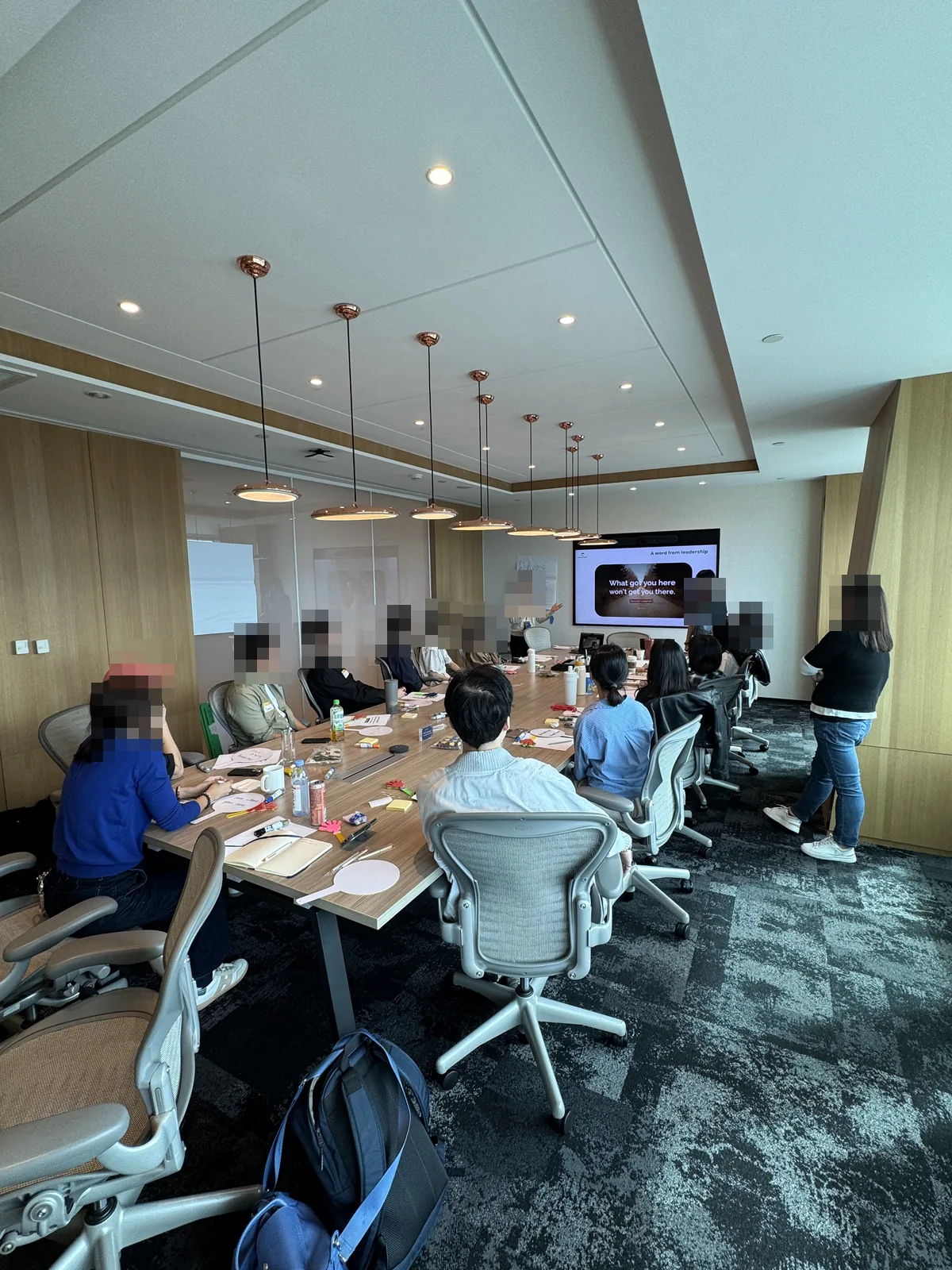
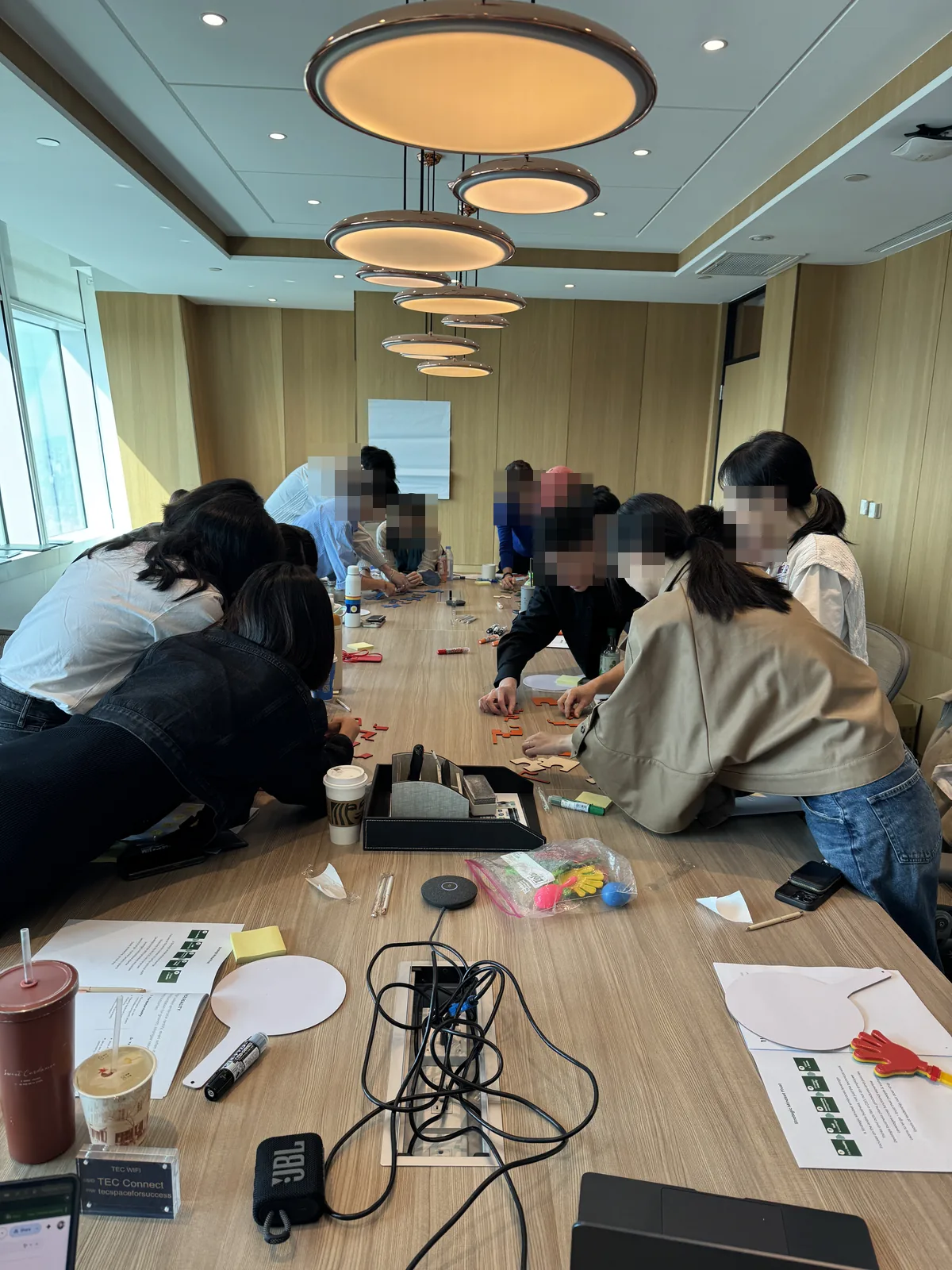
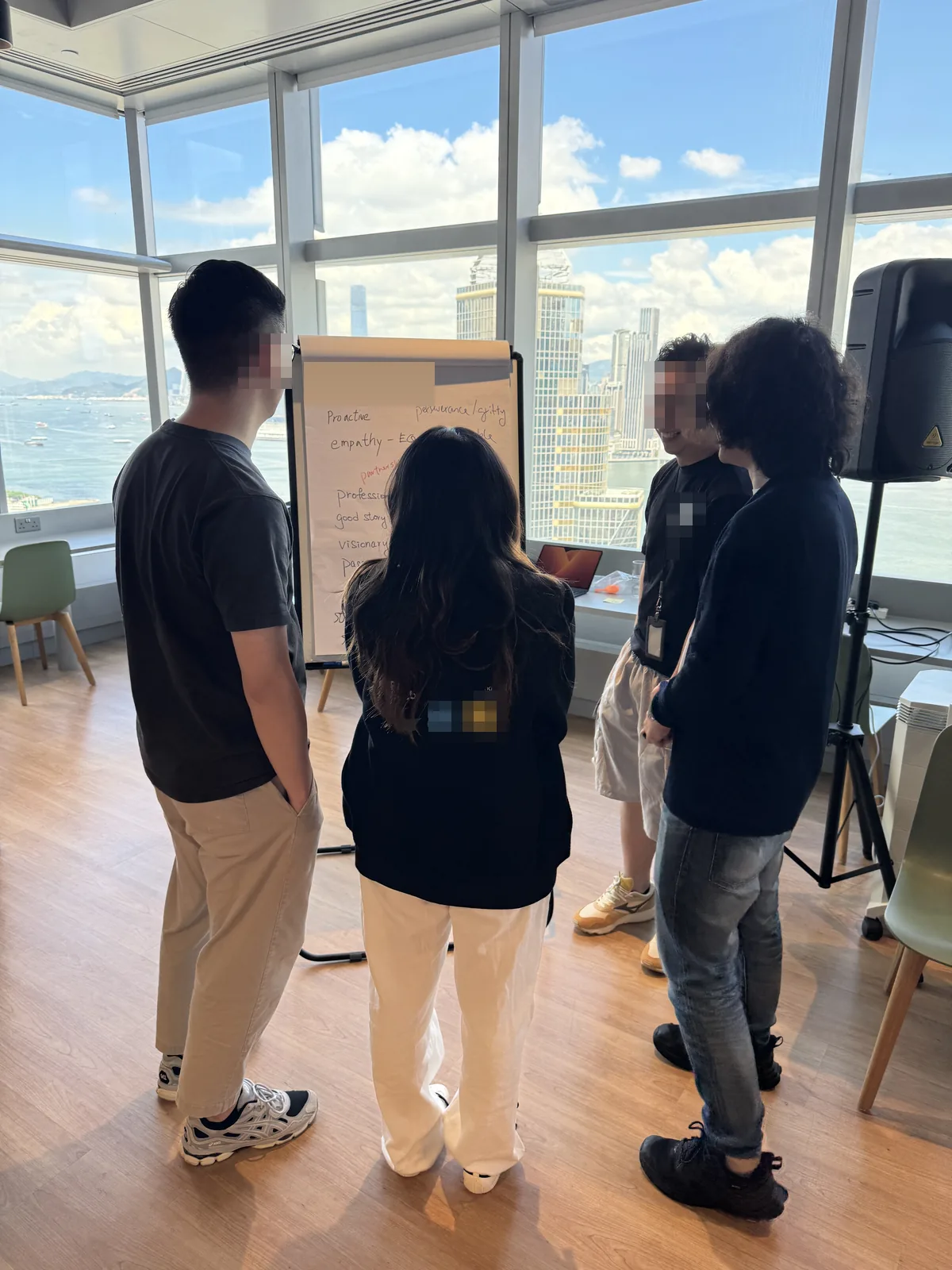
From recent cohorts. Participant faces are blurred out of respect for client confidentiality.
Read the full case studyThe Team Development System
What the system includes
Onboarding
- •Onboarding structure
- •Capability development
Performance
- •Performance management
- •Coaching structure
Ownership
- •Ownership expectations
What the System Does
How the system gets built
- 01
Build structured onboarding
- 02
Define capability expectations
- 03
Implement performance tracking
- 04
Equip managers with coaching structure
- 05
Create ownership expectations
Format
Structured and applied
Intensives & working sessions
Applied to real team situations: live onboarding, actual performance gaps, current management challenges.
Implementation support
Help installing the system with your managers between sessions.
Rhythm
Typically delivered over multiple weeks with direct application to the business.
Tangible Outputs
What you will walk away with
- •New hires productive in weeks, not quarters
- •One shared definition of 'done', not five private versions of it
- •Performance you can see without asking for updates
- •Managers who coach, so problems stop climbing to you
The Curriculum
What this System is built from
The Team Development System draws on three things: a sales skill intensive, a team-culture program, and a data and assessment layer that sits underneath both. Which parts carry the most weight depends on where your team is actually stuck.
The skill layer
Strategic Selling for Teams
A tactical intensive that trains the people actually having the sales conversations. Not the leader diagnosing the pipeline; the team doing the selling.
Selling with a plan
Qualifying before pitching
Reading the buyer's real decision
Handling objections as information
Closing as the natural next step
The culture layer
Growth Mindset for Teams
The only part of the curriculum built around team culture and psychology rather than a specific business skill. It's what makes a team actually use its skills once things get hard.
Treating setbacks as data instead of verdicts
Turning missed targets into debriefs
Coaching each other without everything routing through the manager
The data layer
GC Insights
The assessment layer underneath the other two, so the work starts from evidence about who is actually stuck and why, instead of guesses.
DISC, TEAMS, Values, and BAI baselines for the full team
Coaching translation sessions
Team-level pattern mapping
Delivered as a packaged cohort engagement by default, or as bespoke work for a team that needs it shaped differently. Same curriculum, different format.
The Next Step
Not sure where it breaks?
The Growth Review names it in writing, in 90 minutes. One working session with Jerald on your actual constraint. USD 500, fixed price.
Book a Growth ReviewNot ready to book? Or run the free team ownership check first →
Common Questions
Frequently asked questions
It is designed for founders and the department heads who own the numbers, alongside team leaders in Hong Kong, Singapore, and across Asia who are managing teams where performance is inconsistent, onboarding takes too long, or team members are not developing the ownership and capability needed to execute independently.
The System addresses the structural side of team performance: how expectations are set, how capability is developed, how performance is tracked, and how managers coach their teams. It is not a motivation or culture course. It focuses on the structures that make consistent performance possible.
Most team training is event-based and does not change how the team operates day to day. The Team Development System is applied to your actual team, with structured work on real performance gaps, onboarding, and capability development. The output is a system your managers can run, not a one-off training event.
Engagements typically run over several months to allow for real application inside live team dynamics. The pace is structured around your business context and the specific gaps we are addressing.
Yes. The System is particularly effective for teams that are scaling, where onboarding consistency and capability development are critical. It builds the infrastructure that allows new team members to become effective faster and with less dependence on the leader.
Related Reading